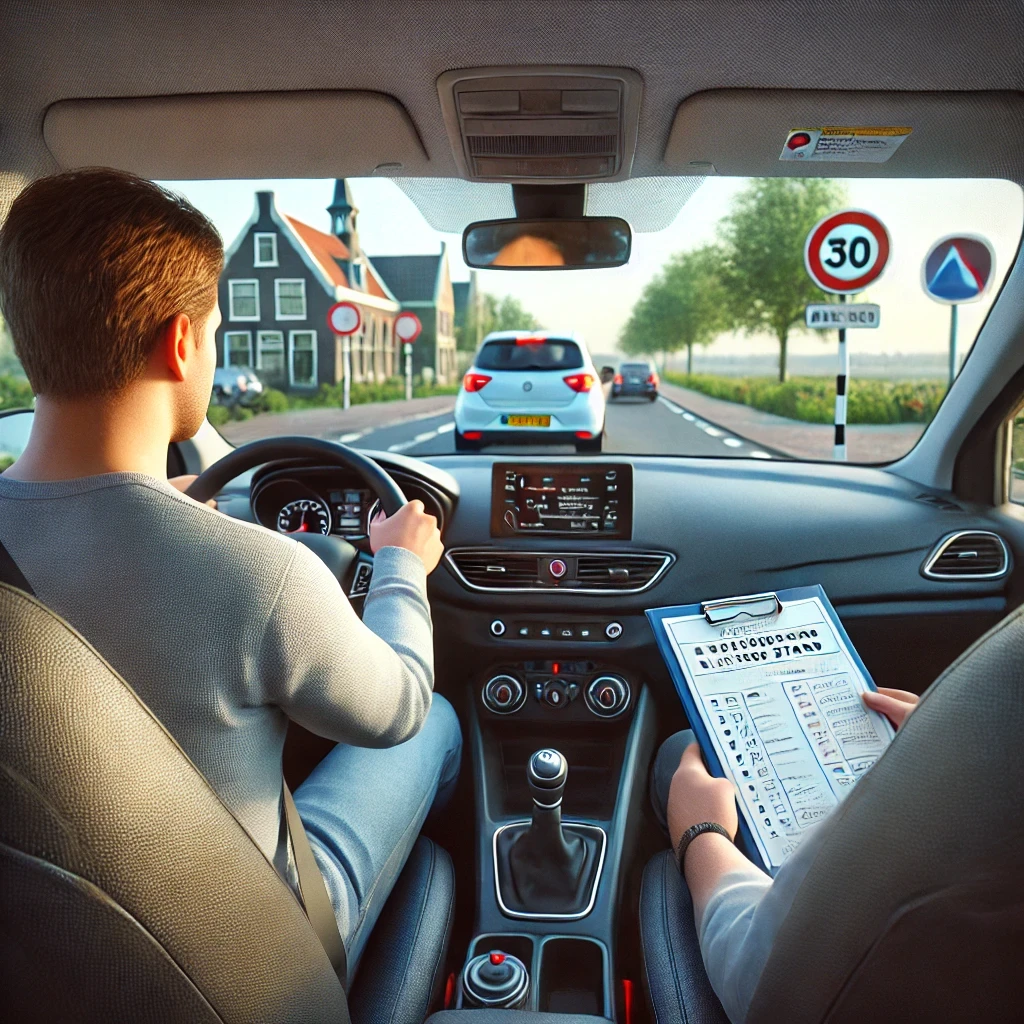

Learning how to drive in the Netherlands is a major milestone for many people. Getting your driver’s license means more freedom, flexibility, and independence. The practical test for your driver’s license in the Netherlands is the final hurdle after all those driving lessons, and passing it is a rewarding achievement. In this article, we'll go through everything you need to know, from taking lessons to the moment after you've taken your test. Let’s dive in!
Taking driving lessons to prepare
Before you even think about passing the practical driving test, it’s essential to take driving lessons with a licensed instructor. Your instructor knows what the examiners at the CBR (Centraal Bureau Rijvaardigheidsbewijzen) are looking for and will help you prepare for the big day.
Choosing a driving school:pick a driving school with a good reputation and experienced instructors. It’s crucial to feel comfortable with your instructor because the more relaxed you are, the more you’ll learn.
Structured learning:the lessons usually cover various skills like parking, handling roundabouts, motorway driving, and mastering narrow Dutch streets. It’s a good idea to focus on your weaker points as you approach the practical test.
Mock driving tests: many instructors offer practice tests that simulate the actual driving test experience. These are incredibly valuable because they give you a feel of what’s coming and can ease nerves on the big day.
Track your progress: some driving schools provide an online progress report where you and your instructor can see which areas need more practice. This approach helps you stay focused and build confidence.
Planning and preparing for your driving test
Now that you’ve honed your skills, it’s time to think about the actual driving test. Proper planning can make a huge difference in how smooth the entire process feels.
Book your test in advance: the CBR slots fill up quickly, so book your practical test early. Discuss with your instructor to pick the right date and time. Many people feel more relaxed and alert when they take their tests in the morning.
Have the necessary documents: make sure you have your theory exam pass certificate and a valid ID. Also, keep track of any other documents your driving school or instructor may have given you.
Rehearse on the route: your driving instructor may know some common routes that CBR examiners tend to take. While you can’t know the exact route, rehearsing in the same area can boost your confidence.
Going to the CBR
On the day of your test, you’ll be heading to the CBR office where the practical test begins. If you know what to expect, the experience won’t feel as nerve-wracking.
Arriving early: it’s best to arrive at the CBR at least 15 minutes early. This will give you time to calm your nerves and ensure you’re not stressed about running late.
Dress comfortably and appropriately:there’s no dress code, but make sure to wear something you feel comfortable in. Avoid tight or restrictive clothes and wear suitable footwear for driving.
Bring a supportive friend or family member: Having someone to chat with while waiting can help reduce anxiety. However, remember they can’t accompany you during the test.
Before the driving test begins
Before the actual test starts, there are a few things that the examiner will go over with you. These are not just formalities but important steps that can set the tone for the entire test.
Meeting the examiner: when the examiner introduces themselves, greet them politely. It’s okay to ask questions if you’re unsure about something. Remember, they’re not there to trick you but to assess your driving skills.
Vehicle check: the examiner might ask you a couple of basic questions about the car, such as how to turn on the lights, check the oil, or indicate the correct tire pressure. Make sure you’ve gone over these with your instructor beforehand.
Adjust the seat and mirrors: it’s normal to be a bit nervous, but don’t rush through adjusting your seat and mirrors. Taking this small step seriously shows that you’re a careful and responsible driver.
Test driving test
Once the preliminary checks are done, you’re finally off on the road for the driving test itself. This part of the process usually lasts between 30 to 45 minutes, depending on traffic and the examiner’s instructions.
Stay calm and focused:the key to passing the practical driving test is staying calm and following the examiner’s instructions clearly. If you miss a turn or make a small mistake, don’t panic. What matters is how you recover.
Drive with confidence, not overconfidence: drive confidently, but don’t rush. Stick to the speed limits, check your mirrors, and stay aware of other road users. The Dutch road rules are very strict, so be extra cautious at intersections and pedestrian crossings.
Common mistakes to avoid: the most common errors include not checking mirrors, improper lane changes, and not anticipating other drivers. Practicing these areas with your instructor can help you feel more prepared.
After the practical test
Once you’ve completed your test, there are still a few steps to go through before you can officially celebrate passing the driving test.
Feedback session: once you’re back at the CBR, the examiner will go over your performance. They’ll give you constructive feedback, whether you pass or not. It’s important to listen and take notes if you have to retake the test.
Passing the test:if you pass, congratulations! The examiner will confirm it on the spot, and you’ll be given further instructions on how to collect your driver’s license. You’ll usually be able to pick it up at your local municipality (gemeente) a few days later.
If you don’t pass: don’t be disheartened. Many people don’t pass the first time, and you can always try again. Take the feedback seriously and book more lessons with your instructor to focus on problem areas.
Want to get your driver's license? Check out our free trial lessons, packages and crash courses.